

How to Stop Tattoo Itching During Healing
Table of Contents
- Why Your Fresh Tattoo Itches
- Normal Healing Timeline: What to Expect Day by Day
- How Long Does Tattoo Itching Last During the Healing Process
- Proven Methods to Relieve Tattoo Itching Safely
- Can You Scratch a Healing Tattoo, And What Happens if You Do
- Tattoo Infection Symptoms: When Itching Signals a Problem
- Common Mistakes That Make Itching Worse
- Frequently Asked Questions
Last Updated: October 8, 2026
Why Your Fresh Tattoo Itches
Tattoo itching during healing occurs because your skin is repairing itself. When the needle punctures your skin, it creates controlled damage. Your body responds by triggering inflammation and sending healing signals to the area.
This inflammatory response is actually a good sign. It means your immune system is working to repair the wound. Blood flow increases to the tattooed area, bringing nutrients and white blood cells.
The itch also comes from dryness. Fresh ink sits on skin that's been stripped of its natural oils. Your skin barrier is compromised, so moisture escapes faster than normal.
Swelling plays a role too. The trauma of tattooing causes fluid buildup in the tissue. As swelling peaks over the first few days, it intensifies the itch.
Normal Healing Timeline: What to Expect Day by Day
Healing isn't a straight line, and the itch doesn't follow a fixed calendar.
Days 1-3: The Acute Phase
Your tattoo feels raw, tender, and warm. Swelling typically peaks around day two or three. A clear, sticky fluid called plasma, sometimes tinted with excess ink, seeps from the surface.
Days 4-7: Peak Itching Begins
This is the window most people struggle with hardest. Swelling starts to fade, but the itch intensifies as the skin begins to dry and tighten.
Days 8-14: The Scabbing Phase
Visible scabs form as the outer layer of skin sheds. Underneath, new epidermis is rebuilding.
Weeks 3-4: Surface Healing
Scabs fall away naturally as new skin replaces the damaged layer. For most people, the itch drops off significantly by week three.
Weeks 5-6: Surface Healing Complete
The outer layer of skin has fully closed. Surface itch is usually gone. Your tattoo looks sharper and colors appear more saturated.
What shifts your timeline
- Size and coverage: A full sleeve has far more surface area healing at once than a small linework piece, so itch tends to last longer and feel more intense.
- Location: Areas with thin skin and high friction, ribs, inner arm, ankle, ditch of the elbow or knee, often itch more and heal more slowly.
- Skin type: Naturally dry or eczema-prone skin tends to itch earlier and longer because the barrier is already compromised.
- Aftercare consistency: Skipping moisturizer or overwashing both extend the dry, itchy phase.
- Ink type and saturation: Heavily packed color and blackout work create more trauma and a longer inflammatory tail than fine linework.
How Long Does Tattoo Itching Last During the Healing Process
Tattoo itching during healing typically peaks between days 4 and 10. Most people experience the worst itch during the second week. By week three, the itching usually drops significantly. However, the timeline varies based on tattoo size, location, and your skin type.
Larger tattoos tend to itch longer because there's more surface area healing. Tattoos on sensitive areas like ribs or inner arms may itch more intensely. People with naturally dry skin often experience extended itching. Your individual pain tolerance and immune response also matter.
Some people report lingering mild itch into week four. This is still normal. The deeper layers of skin continue healing for six to eight weeks, but surface-level itching rarely extends past week three.
Proven Methods to Relieve Tattoo Itching Safely
Gentle Washing and Proper Hygiene
Clean your tattoo twice daily with lukewarm water and fragrance-free soap. Use your fingertips, not a washcloth. Pat the area dry gently, never rub. Bacteria thrive on dirty skin, which can turn itch into infection.

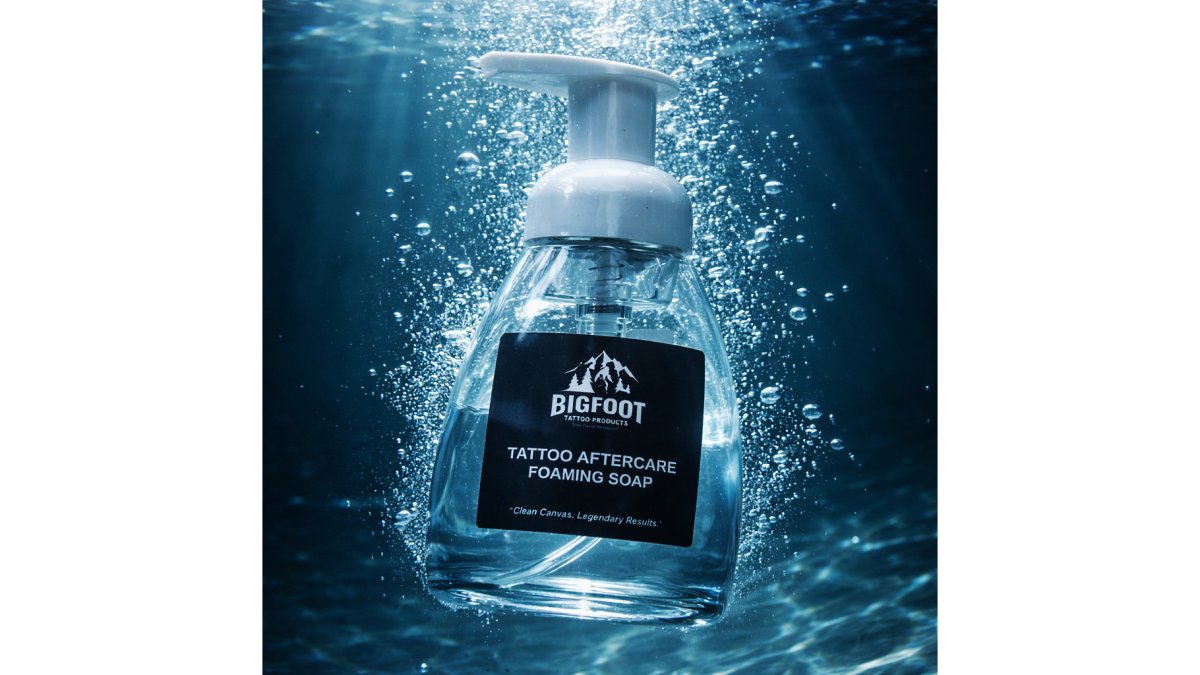
Wash away plasma, blood, and excess ink without stripping your skin. The American Academy of Dermatology's guidance on wound care emphasizes that gentle cleaning prevents infection while supporting healing.
Bigfoot's Ink Wash Unscented Tattoo Soap removes blood and plasma without irritation. It's formulated specifically for fresh ink. The unscented formula won't trigger sensitivity reactions. Clean twice daily through the full healing period.
Cool Compress Therapy
Apply a cool compress to reduce swelling and numb the itch temporarily. Use a clean cloth soaked in cool (not cold) water. Hold it against the tattoo for 10-15 minutes at a time. Do this several times daily, especially when itching peaks.
Avoid direct ice contact. Ice can damage healing skin and cause frostbite in extreme cases. The goal is cool relief, not numbing cold. A damp cloth at room temperature works well. Some people freeze a clean cloth and apply it with a barrier layer between skin and ice.
Cool therapy reduces inflammation, which reduces itch. It's one of the safest relief methods available. You can use it as often as needed without damaging your tattoo.
Moisturizing With Fragrance-Free Tattoo Aftercare Lotion
Dry skin itches more than hydrated skin. Apply fragrance-free moisturizer to keep your tattoo hydrated throughout healing. Use a lotion designed for tattooed skin, not regular body lotion.
Apply moisturizer after washing and patting dry. Use a thin layer, you don't want excess product sitting on the tattoo. Reapply whenever your skin feels tight or dry.
Bigfoot's Replenish Tattoo & Body Lotion is fragrance-free and designed for sensitive skin. It hydrates without greasiness. The formula includes plant oils and ceramides that lock in moisture. Apply it morning and night, plus whenever your tattoo feels dry.
Bigfoot Repair Soothing Gel - 30ml →
The Bigfoot Advanced Aftercare Bundle includes all three essentials: wash, soothing gel, and lotion. Using matched products ensures your skin gets consistent care without conflicting ingredients.
Can You Scratch a Healing Tattoo, And What Happens if You Do
Don't scratch. Scratching damages the healing tattoo and can cause permanent scarring or ink loss. Your nails introduce bacteria into the wound. Scratching breaks the forming scab, which restarts the healing process. You might end up with a faded or blotchy tattoo.
Picking or peeling scabs is equally damaging. Let scabs fall off naturally. Forcing them off removes ink along with the dead skin. This creates bald spots in your tattoo where the ink didn't take. The lines become uneven and colors fade unevenly.
If you scratch by accident, don't panic. One scratch won't ruin your tattoo. But repeated scratching will. Use these strategies to resist the urge:
- Keep your nails trimmed short
- Wear soft, loose clothing over the tattoo
- Sleep on the opposite side of your body
- Apply cool compresses when the itch peaks
- Keep your hands busy with other activities
- Apply moisturizer frequently to reduce dryness
Some people find that tapping the area gently satisfies the itch without damage. Light tapping with your palm or fingers doesn't break the skin. It can provide relief when the urge to scratch becomes overwhelming.

Tattoo Infection Symptoms: When Itching Signals a Problem
Most healing itch is annoying but harmless. The challenge is that a small number of tattoos develop an infection or an allergic reaction, and both can start with itching.
Normal healing itch vs. allergy vs. infection
| Feature | Normal healing itch | Allergic reaction | Infection |
|---|---|---|---|
| Timing | Starts days 1-3, peaks days 4-10, fades by week 3 | Often appears days 3-14, can persist or return | Usually days 3-14, worsens over time |
| Location | Confined to the tattooed area | Can spread beyond the tattoo outline | Confined to tattoo, may track outward |
| Skin appearance | Dry, flaking, thin scabs | Raised, bumpy, hive-like, or eczema-like rash | Increasing redness, warmth, swelling |
| Discharge | Clear plasma early on | Usually none, or clear weeping | Yellow, green, or foul-smelling pus |
| Sensation | Itchy, tight, mildly tender | Intensely itchy, sometimes burning | Painful, hot, throbbing |
| Systemic signs | None | Occasionally mild | Fever, chills, swollen lymph nodes |
Signs that point to infection
- Itching that gets worse after day 10 instead of improving
- Spreading redness or red streaks extending from the tattoo toward the heart
- Swelling that increases after day 3 instead of decreasing
- Skin that feels hot to the touch compared to surrounding areas
- Yellow, green, or foul-smelling discharge (clear plasma is normal)
- Fever, chills, or swollen lymph nodes
Signs that point to an allergic reaction
- A rash that extends beyond the tattoo outline
- Hives, welts, or raised bumps on or around the tattoo
- Itching that spreads to untattooed skin
- Persistent rash that doesn't respond to aftercare changes
- Reactions that appear weeks after the tattoo was done, especially to red or colored ink
When to contact a healthcare professional
Call a clinician if you notice any of the infection signs above, if the itch is accompanied by spreading redness or fever, or if a rash persists or worsens despite switching to fragrance-free products.
When to seek urgent care
Go to urgent care or an emergency department if you have a high fever, red streaks tracking away from the tattoo, rapidly spreading redness, severe pain, or signs of an abscess.
Minor itching alongside normal swelling and scabbing is not an infection. Trust the timeline, but when the pattern breaks, act on it.
Common Mistakes That Make Itching Worse
Using fragrant lotions or body products irritates fresh ink and intensifies itch. Fragrance chemicals trigger inflammatory responses.
Overwashing strips your skin's natural oils and causes dryness. Twice daily is enough.
Applying heavy ointments or petroleum-based products clogs pores and suffocates healing skin. Your tattoo needs oxygen to heal properly.
Scratching or picking at scabs is the most common mistake.
Using numbing creams or topical anesthetics can damage the tattoo. These products aren't designed for fresh ink.
Soaking in baths or swimming introduces bacteria and excess water to the wound. Showers are fine.
Wearing tight clothing over the tattoo irritates the area and increases itching. Loose, soft fabrics are better.
Ignoring signs of infection turns a minor issue into a serious problem. If itching seems abnormal, get it checked.
Frequently Asked Questions
Is it normal for a new tattoo to itch during healing?
Yes, itching is a standard part of the healing process. As your skin repairs itself and new cells form, you'll experience itchiness, especially around days 3-7 when the outer layer starts to peel. This is your body's natural inflammatory response to the fresh ink and the controlled trauma of tattooing. The itch typically peaks in the first two weeks and subsides as healing progresses. If the itch is accompanied by severe swelling, warmth, or pus, that's a sign to contact a healthcare professional.
How long does tattoo itching last, and when should it stop?
Tattoo itching usually peaks around days 3-7 and gradually fades over two to three weeks. Most people experience mild itch through week two, with significant relief by week three. Full healing, when itching completely stops, typically takes 4-6 weeks, depending on tattoo size, location, and your skin type. If itching persists beyond four weeks or worsens instead of improving, consult your tattoo artist or a dermatologist to rule out infection or allergic reaction.
Can I use lotion on an itchy healing tattoo, and what kind should I use?
Yes, fragrance-free tattoo aftercare lotion is one of the most effective tools for managing itch. Apply a quality lotion like Bigfoot Replenish Tattoo & Body Lotion ($35) two to three times daily to keep skin hydrated and reduce irritation. Avoid products with fragrance, alcohol, or mineral oil, these can irritate fresh ink and slow healing. Moisturizing hydrated skin feels less itchy and heals faster. Warm the lotion between your hands before applying with gentle circular motions.
What's the difference between normal tattoo itching and an allergic reaction or infection?
Normal itch is localized, manageable, and peaks around days 3-7. An allergic reaction or infection shows additional warning signs: excessive swelling that worsens after day two, warmth or heat radiating from the tattoo, red streaks extending from the site, pus or unusual discharge, fever, or severe pain beyond typical soreness. Allergic reactions may also cause a rash spreading beyond the tattoo lines. If you notice any of these symptoms, stop using new products and contact your tattoo artist immediately.
Tattoo itching during healing is uncomfortable but manageable. Follow the timeline, use proper aftercare products, and resist the urge to scratch. Your tattoo will heal better if you stay disciplined during those first two weeks. Bigfoot Tattoo Products has designed our complete aftercare system to support healing at every stage, from the initial wash through final moisturizing. Proper care now means vibrant ink that lasts for years.