

How Long Does Tattoo Healing Take: A Complete Timeline
Table of Contents
- How Long Does Tattoo Healing Take: The Real Timeline
- Understanding the Tattoo Healing Stages
- Day-by-Day Tattoo Healing Timeline
- Factors That Affect How Long Tattoo Healing Takes
- Your Essential Tattoo Aftercare Routine
- Signs of a Healthy Healing Tattoo
- Signs of Tattoo Infection and When to Seek Help
- Best Tattoo Aftercare Products for Faster, Cleaner Healing
- Frequently Asked Questions
Last Updated: October 2, 2026
How Long Does Tattoo Healing Take: The Real Timeline
Tattoo healing typically takes two to four weeks for surface-level recovery, but complete healing extends to six to eight weeks. The biggest mistake most people make is thinking visible healing equals complete healing. It doesn't.
Understanding what happens beneath the surface at each stage changes how you approach aftercare and why proper tattoo aftercare routine matters from day one.
Understanding the Tattoo Healing Stages
Tattoo healing involves two simultaneous processes: surface healing in the epidermis (outer layer) and deep dermal repair where the ink sits. This distinction determines what your skin needs at each stage.
Surface Healing vs. Deep Skin Healing
Your epidermis handles plasma, excess ink, and inflammation, repairing itself in about two weeks with visible scabbing, peeling, and flaking as it sheds the damaged outer layer.
The dermis, where ink lives, heals on a different timeline, spending six to eight weeks rebuilding collagen and stabilizing ink particles. Rushing surface healing risks compromising deep healing, causing fading, blotchy ink, and scarring.
Visible healing and actual healing are not the same. Keep treating your tattoo like fresh ink through week six.
What Happens in the Epidermis and Dermis
The needle creates controlled trauma, triggering immediate inflammation (swelling and redness) as blood plasma rises to protect the wound. This is normal and necessary.
In the epidermis, your body sheds damaged cells and forms scabs as a protective barrier. Within 10 to 14 days, the outer layer is largely replaced.
The dermis operates on a slower timeline as fibroblasts rebuild skin structure and ink particles settle. The skin barrier fully restores around week six. Until then, your tattoo is vulnerable to infection and fading.
Quality tattoo aftercare products support both layers: protecting the surface while the dermis rebuilds underneath.
Day-by-Day Tattoo Healing Timeline
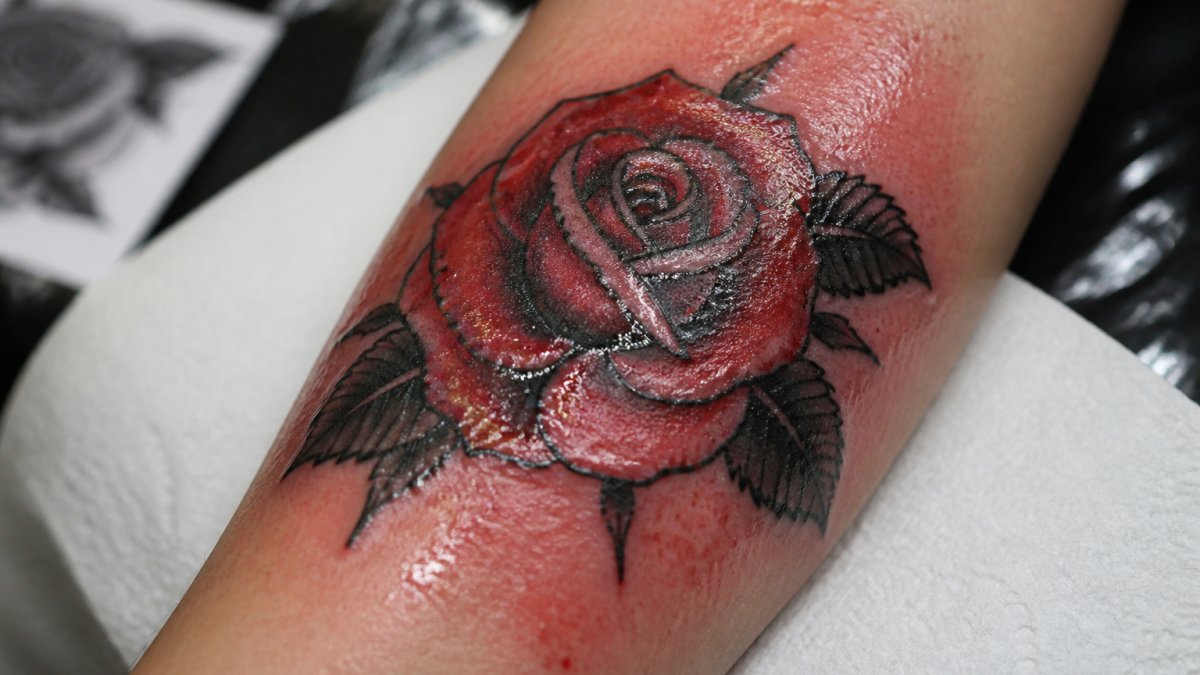
Your tattoo's healing follows a predictable pattern, but the timeline varies based on tattoo size, placement, and how well you follow aftercare instructions.
Days 1-3: Plasma, Swelling, and Initial Inflammation
Your tattoo is an open wound with significant redness, swelling, and plasma weeping (clear fluid protecting the wound, not ink leaking). Inflammation is the body's natural response to needle trauma.
During these first three days, keep it clean and moisturized. Gently wash with antibacterial soap and fragrance-free cleanser, pat dry, and apply a thin layer of quality aftercare product. The Bigfoot Soothing Gel is designed for this phase with aloe and glycerin to calm inflammation without clogging pores.

Swelling peaks around day two or three. If swelling is extreme or the tattoo is hot to the touch, contact your tattoo artist or dermatologist.
Days 4-7: Scabbing and Peeling Begin
By day four, plasma stops weeping and scabs form as your epidermis sheds damaged cells. The tattoo looks darker and crusty, which is normal.
Do not pick, scratch, or peel scabs. Removing them tears away new skin and pulls out ink, causing scarring and fading.
Keep cleansing gently and moisturizing regularly with fragrance-free products. The Bigfoot Tattoo Wash removes plasma and debris without harsh chemicals.
Days 8-14: Heavy Peeling and Flaking
Week two brings intense peeling and flaking as large pieces of dead skin shed. Your tattoo may look patchy or faded temporarily as new skin forms underneath.
Continue gentle cleansing and consistent moisturizing. The Bigfoot Replenish Lotion provides deep hydration without greasiness, supporting new skin formation.
Itching around day 10 to 14 signals healing. Do not scratch. Moisturize frequently or use cool compresses if itching is severe.
Weeks 3-6: Final Settling and Ink Saturation
By week three, most visible healing is complete and your tattoo looks mostly normal. But the dermis is still rebuilding, ink particles are settling, and the skin barrier is strengthening.
This critical phase is when most people stop treating their tattoo, causing fading. The ink hasn't fully saturated into the dermis yet and needs proper hydration and protection.
Continue moisturizing twice daily through week six. The Bigfoot Enhance Tattoo Balm contains shea butter, coconut oil, and antioxidants to lock in hydration and keep ink looking bold.
By week six, your tattoo is fully healed. The skin barrier has restored. Ink has settled. Your tattoo is no longer vulnerable to infection or significant fading.
Factors That Affect How Long Tattoo Healing Takes
Healing speed isn't universal. Several factors determine whether your tattoo heals in the standard timeline or takes longer.
Tattoo Placement and Skin Type
Tattoos on areas with thinner skin (ribs, spine, inner arm) take longer to heal than thicker skin areas. Constantly flexing areas (joints, hands) experience more trauma and may take longer to stabilize.
Dry skin heals slower than well-hydrated skin. Sensitive skin may show prolonged redness and swelling. Darker skin tones may experience more noticeable scabbing or slower ink settling.
Bigfoot Advanced Aftercare Bundle →
If you have eczema, psoriasis, or other skin conditions, healing may take longer. Discuss this with your tattoo artist before the session. They can adjust needle depth and technique if needed.
Age, Nutrition, and Lifestyle Impact
Younger skin typically heals faster than older skin due to decreased elasticity with age, though this doesn't prevent great tattoos, healing may just take longer.
Nutrition directly impacts healing. Your body needs protein, vitamins A and C, and zinc to rebuild skin. Eating well during the healing window supports faster healing.
Sleep matters, your body does most repair work while sleeping. Inadequate sleep slows healing and increases inflammation. Aim for seven to nine hours nightly during the first two weeks.
Smoking restricts blood flow, slowing healing. Excessive alcohol dehydrates skin. Intense exercise and heavy lifting should wait until week three. Swimming should wait until scabs are gone.
Sun exposure is critical to avoid. UV rays can fade ink and damage healing skin. Stay out of direct sun for at least two weeks, and wear protective clothing if you must be outside.
Your Essential Tattoo Aftercare Routine
A consistent routine is what separates clean, vibrant healed tattoos from faded, blotchy ones. This isn't complicated, but it requires discipline.
Cleansing and Moisturizing Steps
Cleanse twice daily with lukewarm water and gentle, fragrance-free antibacterial soap. The Bigfoot Tattoo Wash removes plasma and bacteria without harsh chemicals.
Massage gently in circular motions for 30 seconds, rinse thoroughly, and pat dry with a clean paper towel or soft cloth.
Moisturize immediately after cleansing while skin is slightly damp with a fragrance-free lotion or balm. Apply a thin layer so skin can breathe.
During weeks one and two, moisturize after cleansing. During weeks three through six, add midday and evening applications. Consistency matters more than quantity.
Sun Protection and Skin Barrier Care
Sun protection starts immediately and continues for at least three months after healing completes. UV rays fade ink and damage the newly healed skin. During the healing phase, keep your tattoo covered or out of direct sun entirely.
After healing, use sunscreen SPF 30 or higher on your tattoo every time you're outside. Reapply every two hours. This is the single most important thing you can do to preserve ink vibrancy long-term.
The skin barrier is compromised during healing. Support it with hydrating products and avoid harsh soaps, alcohol-based products, and fragrance. Use gentle, fragrance-free formulas designed for sensitive skin.
Avoid pools, hot tubs, and saltwater for at least two weeks, as they introduce bacteria and soften scabs prematurely.
Signs of a Healthy Healing Tattoo
Knowing what normal looks like prevents unnecessary panic. Healthy healing follows a predictable pattern.
Days 1-3: Redness, swelling, and plasma weeping are normal. Mild to moderate swelling is expected.
Days 4-7: Scabs forming indicates everything is on track. The tattoo darkens as scabs harden. Mild itching begins.
Days 8-14: Heavy peeling and flaking indicate new skin is forming. Your tattoo looks patchy and faded temporarily. Itching intensifies.
Weeks 3-6: Peeling slows, redness fades, and your tattoo looks mostly normal. Itching decreases. Ink continues settling and may look darker or more vibrant as the skin barrier restores.
By week six: Redness is gone.
Signs of Tattoo Infection and When to Seek Help
Infection is rare with proper aftercare, but it's serious. Know the signs.
Best Tattoo Aftercare Products for Faster, Cleaner Healing
Quality products make a measurable difference in healing outcomes. The right formula supports both surface and deep healing without clogging pores or slowing the process.
Frequently Asked Questions
How can I tell when my tattoo is fully healed?
Your tattoo is fully healed when the skin no longer feels tender, all scabbing and peeling has stopped, and the ink appears settled with consistent color. This typically takes 4-6 weeks. The epidermis heals first (2-3 weeks), but the dermis continues regenerating beneath the surface. You'll know healing is complete when you can resume normal activities without irritation and the tattoo feels like regular skin again.
How often should I moisturize a new tattoo during the healing process?
Moisturize 2-3 times daily during the first 2 weeks, then continue daily for weeks 3-6. Apply a thin layer after gently cleansing with antibacterial soap and patting the area dry. Products like Bigfoot Replenish Lotion or Bigfoot Soothing Gel are designed specifically for this, they hydrate without clogging pores or suffocating fresh ink. Proper moisturizing supports skin regeneration and helps maintain ink saturation throughout the healing process.
What are the main signs of a tattoo infection I should watch for?
Watch for excessive redness beyond the normal inflammatory response, warmth radiating from the tattoo, pus or unusual discharge, red streaking extending from the tattoo site, fever, or swelling that worsens after day 3. These signs of tattoo infection require immediate professional medical attention. Normal healing involves some redness and swelling in the first few days, but it should gradually improve. If you're unsure, contact a dermatologist or your tattoo artist for guidance.
Can I speed up tattoo healing with the right aftercare products?
Quality aftercare products can support optimal healing, but they can't bypass the body's natural timeline. The Bigfoot Advanced Aftercare Bundle combines cleansing, soothing, and moisturizing to protect your skin barrier and reduce irritation, which helps your body heal efficiently. Products with clean ingredients (no petrolatum or mineral oils that suffocate skin) allow better oxygen flow and faster skin regeneration. Proper aftercare prevents complications that delay healing, but expect 4-6 weeks regardless.