
7 Ways to Make a Tattoo Less Painful
Table of Contents
- 1. Use a Tattoo Numbing Cream That Actually Works
- 2. Prepare Your Body Before Your Tattoo Session
- 3. Choose the Least Painful Places to Get a Tattoo
- 4. Apply a Numbing Spray During Your Session
- 5. Use Breathing and Distraction Techniques
- 6. Communicate Openly With Your Tattoo Artist
- 7. Manage Skin Moisture and Inflammation
- Frequently Asked Questions
Last Updated: October 3, 2026
1. Use a Tattoo Numbing Cream That Actually Works
A quality numbing cream blocks pain signals at the source before the needle touches your skin, letting you stay calm and still while your artist works.
Numbing creams contain topical anesthetics (usually lidocaine) that penetrate the epidermis and numb nerve endings. Start with clean, shaved skin wiped with alcohol to remove oils. Apply a thick layer, rub it in deep, add another coat, and wrap with plastic wrap to trap heat and moisture.
Let the cream sit for at least 40 minutes before your session; applying it just 10-15 minutes before won't provide adequate numbing.
For serious pain management during your session, the American Academy of Dermatology notes that topical anesthetics are a safe, standard approach for reducing discomfort during skin procedures. Bigfoot Tattoo Products offers the Bigfoot Relieve Numbing Cream at $35.00, which contains lidocaine and absorbs quickly without leaving a greasy residue. It's formulated to block pain signals while reducing inflammation and redness at the same time.

2. Prepare Your Body Before Your Tattoo Session
What you eat, drink, and avoid before your appointment directly impacts your pain threshold and tolerance.
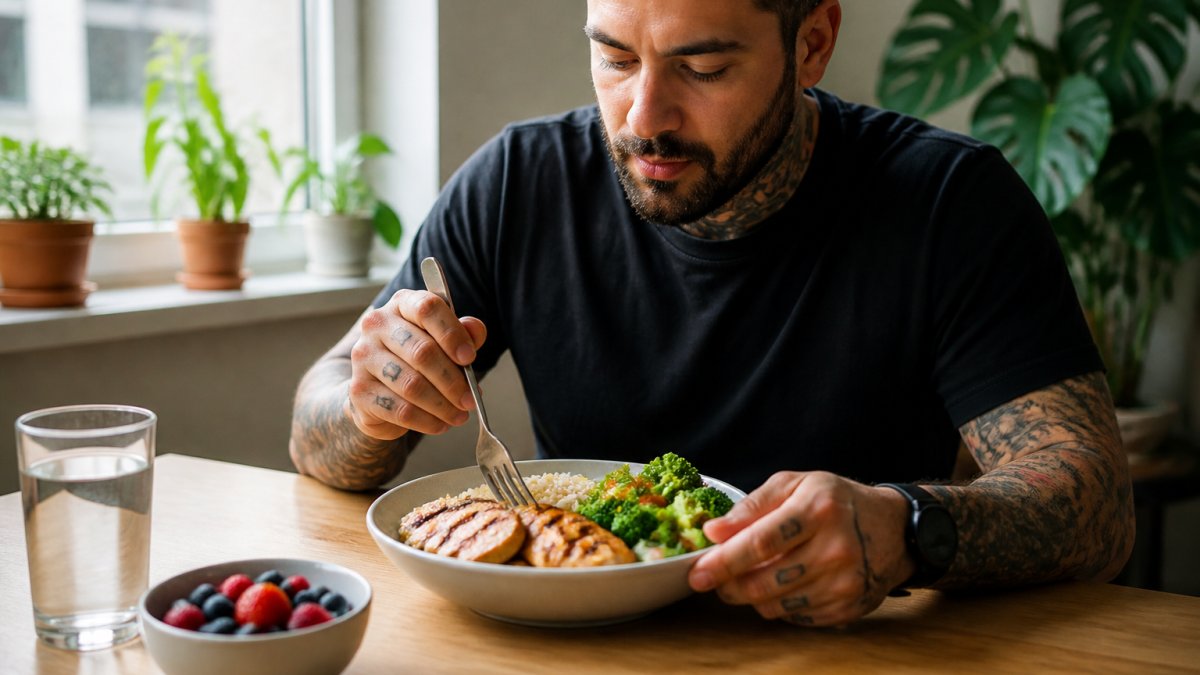
Eat a Solid Meal with Protein and Complex Carbs
Never go into a tattoo session on an empty stomach. When blood sugar crashes mid-session, you'll feel lightheaded, nauseous, and the pain will feel worse.
Eat a real meal 2-3 hours before your appointment with protein (chicken, fish, eggs, tofu) and complex carbs (brown rice, oats, sweet potatoes). These digest slowly and keep glucose levels steady. Avoid sugar-heavy snacks or fast food that spike and crash blood sugar.
Stay Hydrated Leading Up to Your Appointment
Dehydration makes pain worse by reducing skin elasticity and increasing nerve sensitivity. Drink water consistently in the days before your tattoo, not just the morning of.
Well-hydrated skin is more supple and handles the needle better. Aim for at least 2-3 liters of water per day in the week leading up to your appointment.
During your session, ask your artist if you can have water nearby. A few sips between breaks helps maintain hydration and keeps your body stable.
Skip Caffeine and Stimulants
Caffeine is a vasoconstrictor that narrows blood vessels, increases heart rate and anxiety, and makes you more sensitive to pain.
Skip coffee, energy drinks, and tea for at least 6-8 hours before your session to keep your nervous system calm and pain perception manageable.
3. Choose the Least Painful Places to Get a Tattoo
Where you get tattooed matters as much as how you prepare. Areas with more nerve endings and less fat cushioning are significantly more painful.
The least painful spots, outer thigh, calf, forearm, and shoulder, have thicker skin, more fat padding, and fewer concentrated nerve endings.
The most painful areas are bony spots with thin skin and minimal fat: ribs, spine, sternum, collarbone, and inside of wrist. Avoid these for your first tattoo if you're sensitive to pain.
Ankle, shin, top of foot, inner arm, armpit, fingers, and toes are also quite painful due to thin skin, bone proximity, or high nerve concentration.
Chest and stomach are moderate pain areas; back and back of shoulder are comfortable due to good muscle and fat coverage.
If you're worried about pain tolerance, choose a placement on your outer thigh, calf, or shoulder.
4. Apply a Numbing Spray During Your Session
A numbing spray applied during the tattoo gives a second wave of relief when the initial cream wears off, especially important for longer sessions or large pieces.
The spray works faster than cream because it's applied directly to the area being worked on. Ask your artist to apply it every 15-20 minutes during longer sessions.
According to the Journal of the American Academy of Dermatology, topical anesthetics applied during procedures provide measurable pain reduction without compromising the quality of the work. The key is timing, the spray works best when applied right before the artist starts working on a fresh section of skin.
Bigfoot Tattoo Products offers the Bigfoot Relieve Spray at $35.00, formulated with 5% lidocaine to shut down pain signals fast. It's designed to be applied mid-session and works on irritated or sensitive areas without slowing healing. The spray absorbs quickly and doesn't interfere with the artist's work.
Bigfoot Relieve Numbing Cream - 60ml →

5. Use Breathing and Distraction Techniques
Pain is partly psychological. Controlling your breathing and using distraction techniques can significantly reduce your perception of pain during the session.
Practice deep breathing: inhale through your nose for four counts, hold for four, exhale through your mouth for four. This activates your parasympathetic nervous system and lowers stress response.
Practice this breathing for 5-10 minutes before your appointment and continue during the session when pain increases.
Distraction techniques matter too. Bring headphones and listen to music, a podcast, or an audiobook. Engage your mind in something else so your attention isn't focused on the pain. Some people watch videos on their phone. Others chat with their artist or a friend.
Endorphins kick in after 20-30 minutes, making pain more manageable as the session progresses.
6. Communicate Openly With Your Tattoo Artist
Your artist is your partner in this. A good artist will work with you to manage pain and make the session as comfortable as possible. Communication is everything.
Before you sit down, tell your artist about your pain sensitivity. If you've never been tattooed before, say so. If you're nervous, be honest.
During the session, speak up if the pain is unbearable. Your artist can take a break, adjust their angle, or work on a different section of the tattoo to give your skin a rest.
Ask your artist if they use a professional glide or lubricant during the process. Quality glides reduce friction and inflammation, making the experience smoother for both you and your skin.
Let your artist know if you need the numbing spray applied and when. They'll be happy to apply it.
7. Manage Skin Moisture and Inflammation
After your session ends, the pain doesn't immediately stop. Your skin is traumatized, inflamed, and sensitive.
Keep your skin moisturized but not wet. Dry skin is painful, tight, and more prone to scabbing and fading.
Use a soothing gel designed for fresh tattoos in the first 24-48 hours. Bigfoot Tattoo Products offers the Bigfoot Repair Soothing Gel at $35.00, which is ultra-cooling and fast-acting. It's packed with aloe and glycerin to reduce inflammation and itch while supporting your skin barrier.

After the first couple of days, switch to a proper tattoo lotion for ongoing hydration.
Avoid tight clothing over your fresh tattoo for the first week. Friction irritates the skin and increases inflammation and pain. Wear loose, breathable fabrics.
Inflammation is your body's natural response to the trauma of tattooing. Some inflammation is necessary for healing, but excessive inflammation causes pain and can affect how your tattoo looks.
Getting a tattoo doesn't have to be an ordeal.
| Strategy | Best For | When to Use | Impact |
|---|---|---|---|
| Numbing Cream | Pre-session prep | 40+ minutes before | Blocks initial pain signals |
| Protein + Complex Carbs | Blood sugar stability | 2-3 hours before | Maintains pain threshold |
| Hydration | Skin elasticity | Days before + during | Reduces nerve sensitivity |
| Skip Caffeine | Anxiety control | 6-8 hours before | Lowers stress response |
| Least Painful Placement | First-time clients | When choosing design | Reduces overall discomfort |
| Numbing Spray | Mid-session relief | Every 15-20 minutes | Extends numbing effect |
| Breathing Techniques | Pain perception | Throughout session | Calms nervous system |
| Artist Communication | Customized comfort | Before + during | Adjusts approach to your needs |
| Soothing Gel | Post-session recovery | First 24-48 hours | Reduces inflammation |
| Proper Lotion | Ongoing healing | Days 3-14+ | Maintains skin health |
According to research on pain management in dermatology, a multi-pronged approach combining topical anesthetics, psychological techniques, and proper aftercare produces the best outcomes for patient comfort and healing. This is exactly what the strategies above deliver.
The reality is simple: these 7 ways to make a tattoo less painful work because they address pain from every angle, before, during, and after your session.
Frequently Asked Questions
Does numbing cream actually work for tattoos?
Yes. Numbing creams containing lidocaine block pain signals at the source when applied 40+ minutes before your session. The key is using enough product and letting it absorb fully. A tattoo numbing cream that actually works should reduce discomfort noticeably, though it won't eliminate all sensation. Pair it with a numbing spray during your session for extended relief through longer tattoos.
What should I eat before a tattoo to reduce pain?
Eat a meal with protein and complex carbohydrates 2-3 hours before your appointment. Protein stabilizes blood sugar; carbs fuel your body's stress response. Low blood sugar increases pain sensitivity and raises your risk of fainting. Skip sugary snacks and caffeine, which cause blood vessel constriction and spike anxiety. A solid meal keeps your body steady and your pain threshold higher.
What are the least painful places to get a tattoo?
Areas with more adipose tissue (fat) and distance from bone hurt less because they have fewer nerve endings. The outer arm, thigh, and calf are generally less painful. Avoid areas close to bone like ribs, spine, shins, and feet. Wrists and inner arms are also sensitive. Your pain tolerance varies, but placement significantly affects overall discomfort during your session.
How long does a tattoo session typically last?
Sessions range from 1-4 hours depending on design size and complexity. Linework is usually faster than shading. Longer sessions intensify pain as skin trauma accumulates and numbing products wear off. Plan breaks with your artist if your tattoo requires multiple sessions. Using numbing spray mid-session extends relief and helps you stay comfortable through the full duration.